

Contents
- How does Mexico decide which trucks to inspect?
- What happens during an inspection?
- What can a shipper actually control?
- What determines examination outcome
- Definitions
- Frequently asked questions
- Are all trucks inspected at the Mexican border?
- Can I avoid being selected for inspection?
- How long does a customs examination take?
- What is the most common reason inspections go wrong?
- Related Reading
- Sources
Not every truck is inspected. Mexico uses an automated selection mechanism at clearance that designates a portion of shipments for reconocimiento aduanero, a physical and documentary examination. Shipments not selected are released without examination. Selection is partly randomized and partly risk-based, so importers with clean classification, consistent values and complete documentation face both fewer examinations and much shorter ones when selected.
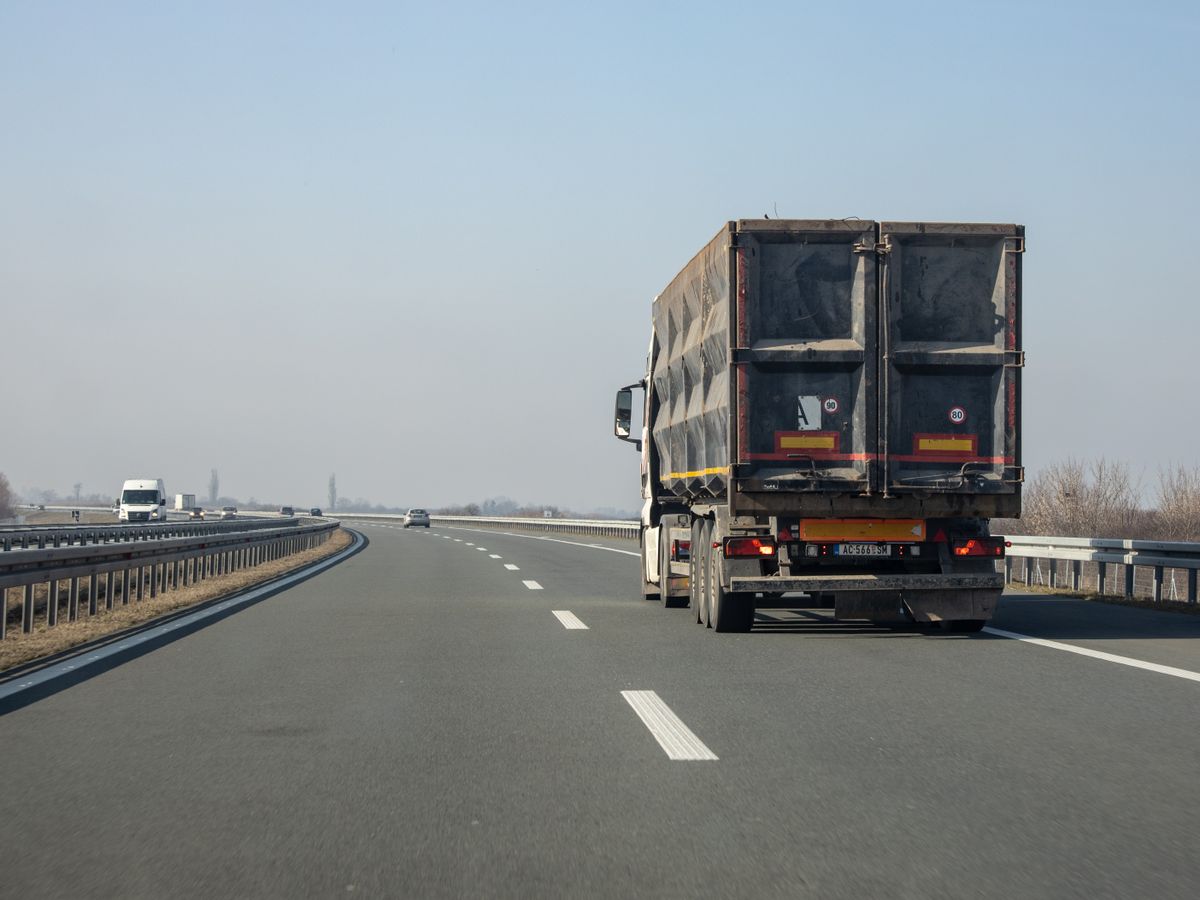
- Mexico's clearance process runs an automated selection mechanism that determines whether a shipment receives reconocimiento aduanero.
- Reconocimiento aduanero covers both the physical goods and the documentation, checking that what arrived matches what was declared.
- Selection is not purely random; risk profiling considers importer history, product category, declared value and origin.
- A shipment that matches its declaration clears examination quickly; discrepancies trigger sampling, valuation review or seizure.
- From 1 October 2026, an incomplete electronic Manifestación de Valor is itself a documentary problem, since the filing becomes mandatory through the single window.
How does Mexico decide which trucks to inspect?
An automated selection mechanism runs at clearance and designates a share of shipments for examination, combining randomization with risk profiling.
When your customs broker files the pedimento and the shipment is presented, an automated system determines whether the shipment proceeds directly or goes to reconocimiento aduanero. This is not a customs officer deciding on sight. The randomized component means that even a perfectly compliant importer will occasionally be selected. You cannot engineer your way out of it, and you should not try. The risk-profiling component is where your behavior matters: importer history, the product category, the declared value relative to what customs expects for that classification, and the origin of the goods all feed the profile. The practical implication is that an importer's inspection rate is not fixed. A first-time importer bringing in a category that is commonly undervalued will see more examinations than an established importer with a consistent record in a low-risk category. That record is built over time and it is an asset worth protecting.

What happens during an inspection?
Officials verify that the physical goods match the declaration: quantity, description, classification, and value support.
An examination checks correspondence. The officer compares the goods against the pedimento, the commercial invoice and the packing list. Quantity, description, and whether the classification fits the goods as they actually are. Most examinations that go badly go badly for mundane reasons. Cartons contain more units than the packing list says. The invoice describes 'electronic accessories' and the carton contains something with a specific regulatory requirement. The declared value is far below what the classification usually carries and there is no documentation supporting why. When a discrepancy appears, the consequences scale with the type. A minor documentary error may be corrected through a pedimento rectification with a fee and a delay. A valuation dispute opens a review that can hold the shipment for an extended period. A regulatory violation, such as goods requiring COFEPRIS authorization or NOM certification that were declared as something else, can result in seizure. The shipments that clear examination fastest are the boring ones: what was declared is what is in the trailer.
What can a shipper actually control?
Classification accuracy, description precision, value documentation and completeness of the file. Not selection itself.
Start with classification, because it determines everything downstream. The HS code decides the duty rate, whether a permit or NOM certification applies, and what the customs system expects the value to look like. Getting it wrong does not just cost duty; it can put you in a category where you had no idea a permit was required. Write descriptions that a person can verify by opening a box. 'Cotton t-shirts, men's, short sleeve, 180gsm' is verifiable. 'Apparel' is not, and it invites questions. Keep value documentation with the file, not in someone's inbox. Purchase orders, payment records and price lists supporting the declared transaction value should be retrievable while the truck is at the border, not a week later. And make sure the Manifestación de Valor is filed electronically. From 1 October 2026 this is mandatory through the single window that ANAM's 2026 communications call VUTCE, the successor to VUCEM. A missing value manifest converts a routine examination into a documentary failure. What you cannot control is selection. Build a schedule that tolerates an occasional examination rather than one that assumes every shipment sails through.
What determines examination outcome
| Factor | Under your control | Effect if wrong |
| Selection for examination | No | Adds time regardless of compliance |
| HS classification | Yes | Wrong duty, missed permits, valuation flags |
| Goods description | Yes | Questioning, sampling, delay |
| Value documentation | Yes | Valuation review, extended hold |
| Electronic value manifest | Yes | Documentary non-compliance from 1 October 2026 |
Definitions
- Reconocimiento aduanero: Reconocimiento aduanero is the physical and documentary examination of a shipment carried out when the automated selection mechanism designates it.
- Pedimento rectification: A pedimento rectification is a formal correction to a filed customs declaration, which carries a fee and typically delays release.
Frequently asked questions
Are all trucks inspected at the Mexican border?
No. An automated selection mechanism designates a portion of shipments for reconocimiento aduanero. Shipments not selected are released without physical examination.
Can I avoid being selected for inspection?
No, because selection includes a randomized component. You can reduce your risk profile through accurate classification, precise descriptions and a consistent import history, but no importer is exempt.
How long does a customs examination take?
A shipment that matches its declaration is typically released the same day. Discrepancies extend this considerably: valuation reviews and regulatory issues can hold goods for a week or longer.
What is the most common reason inspections go wrong?
Mismatch between the declaration and the goods. Quantity differences, vague descriptions that hide a regulated product, and declared values without supporting documentation are the recurring causes.
Related Reading
Have the load staged before the truck moves: BringGo Ship
Sources
- ANAM, Agencia Nacional de Aduanas de México (anam.gob.mx)
- SAT, Servicio de Administración Tributaria (sat.gob.mx)
Note: This content is for general information only and is not legal, tax or customs advice. Rates and rules can change often in 2026; verify the current details with an official source (SAT, DOF, CBP) or a licensed customs broker before acting.
How this was made: The BringGo Ship team chose the topic and the sources. The text was drafted with AI assistance, its figures and regulatory details were checked against official sources (DOF, SAT, ANAM, CBP), and the article was reviewed by our team before publication.
Daniel Brooks
Logistics and Customs Lead
Covers US Mexico cross-border logistics and customs at BringGo Ship, with warehouses in Laredo and Monterrey.
View profile