

Contents
- Does TikTok Shop US ship to Mexico?
- Can a US company open a local TikTok Shop Mexico account?
- Why the local store keeps your inventory inside Mexico
- Moving US stock across Laredo into a Mexico warehouse
- Duties and taxes a US seller should map before launch
- When each route is the best fit
- US-MX program versus a local TikTok Shop Mexico store
- How we support both TikTok Shop Mexico routes
- Definitions
- Frequently asked questions
- Is TikTok Shop available in Mexico?
- Do I need a Mexican RFC to join the US-MX program?
- Can I fulfill US-MX orders from a warehouse in Mexico?
- What parcel limits apply to TikTok Shop US to Mexico shipments?
- Can an individual US seller join the US-MX program?
- Related Reading
- Sources
Yes, but through a separate Mexico store. Since March 2026, the main account of a US corporate seller that meets Seller Center eligibility can open one under TikTok's US-MX program and ship orders from inside the United States. A local TikTok Shop Mexico store is for businesses established in Mexico and ships from Mexican warehouses.
TikTok Shop opened in Mexico on February 6, 2025, with Seller Center registration for businesses established in Mexico.
Through the US-MX program, the main account of a US corporate seller can open a Mexico store from the US Seller Center, and orders then ship only from within the United States.
US-MX parcels are capped at 38 x 48 x 58 cm and 22 kg, and TikTok advances import duties, then deducts them from the seller's pending settlement.
Sellers established in Mexico must ship from warehouse addresses registered in Seller Center and may not use international third-party providers or international consolidation services.
Mexico's 2026 revenue law sets a 2.5% ISR withholding for companies selling through platforms (20% without an RFC) and full VAT withholding for foreign sellers without a Mexican establishment selling goods in Mexico.
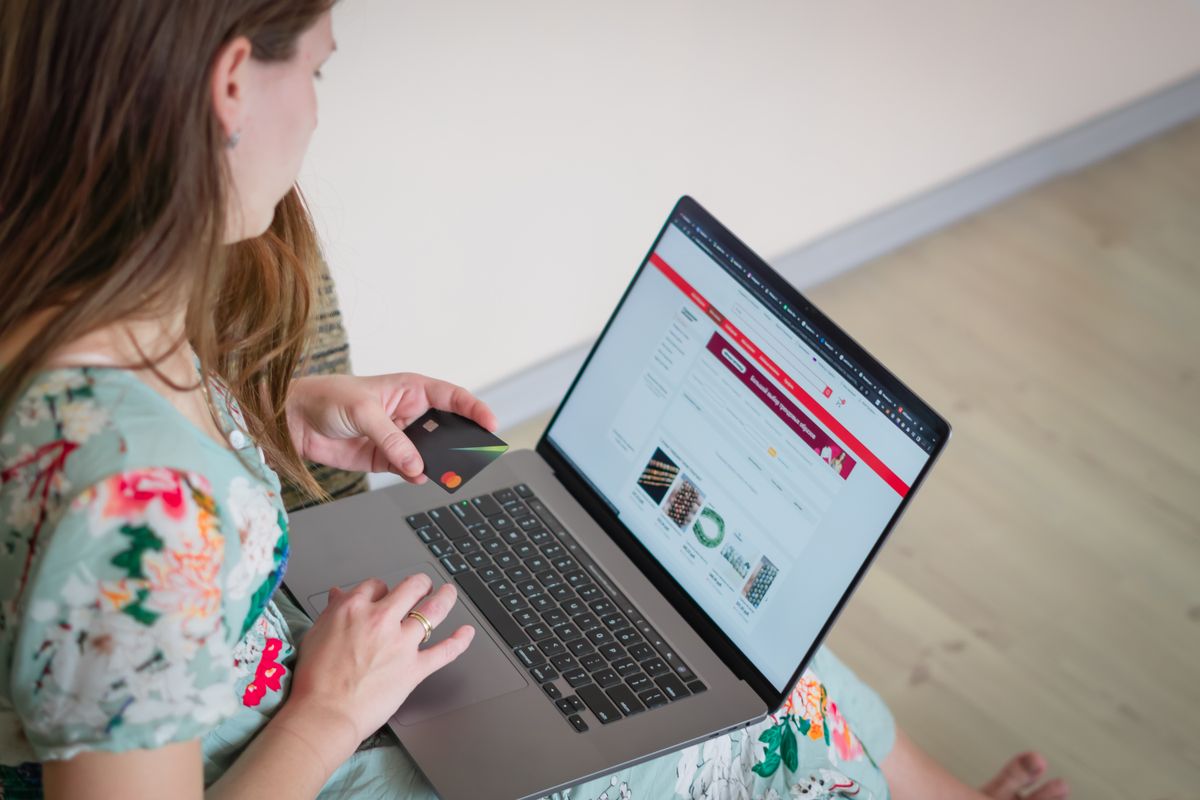
Does TikTok Shop US ship to Mexico?
Mexican buyers are served through a separate Mexico store. Eligible US corporate sellers can open one from their US Seller Center under TikTok's US-MX program, and those orders then ship from inside the United States.
TikTok treats Mexico as its own marketplace. Your US shop keeps selling to US shoppers, and Mexican shoppers buy from a Mexico store. The bridge for American businesses is the US-MX program, which is managed from seller-us.tiktok.com rather than from the Mexican Seller Center. According to TikTok's own guide, only the main account of a US corporate seller can apply for an additional market; sub-accounts do not get the option. Eligibility is displayed inside Seller Center, and the example TikTok gives is a US performance score (SPS) of 4 or higher. Once the Mexico store is active, TikTok states that orders can only be shipped from within the United States, and your warehouse information syncs to the Mexico store automatically. Listings do not have to be rebuilt. The sync tool copies an existing US product into the Mexico store, machine-translates the title, description and attributes into Spanish, and asks you to review them and set a retail price in pesos (MXN). A product syncs only if its category is open in Mexico, and some categories stay invite-only until you qualify. TikTok's prohibited and restricted product rules apply to every synced listing, so review each SKU before you switch sync on.
Can a US company open a local TikTok Shop Mexico account?
Not as a US entity on its own. TikTok requires sellers to reside in the country chosen for the shop and opened Mexican registration to businesses established in Mexico, so the local route runs through a Mexican company with a validated RFC.
There are two different doors, and they lead to different rulebooks. TikTok's general registration rules say you must reside in the country you choose for your shop. When TikTok Shop launched in Mexico on February 6, 2025, the announcement invited businesses established in Mexico to register in the Mexican Seller Center at seller-mx.tiktok.com. A Delaware LLC or a Texas corporation, by itself, does not fit that description. For a US brand that still wants a local store, the practical path is a Mexican subsidiary or another Mexican legal entity registered with SAT. TikTok's Mexico tax page states that a corporate seller's RFC must be validated before onboarding is finished, so the RFC comes first. The RFC also shapes what TikTok keeps from each payout. Mexico's 2026 federal revenue law sets a 2.5% income tax (ISR) withholding for companies selling goods through platforms, and 20% when the company does not provide its RFC. TikTok's Mexico seller page applies the same split and also withholds VAT (IVA): half of it when the RFC is valid, all of it when it is not. Forming a Mexican entity is a legal and tax project in its own right. Treat it as a decision for your Mexican counsel and accountant, not a checkbox in Seller Center.
Why the local store keeps your inventory inside Mexico
TikTok's Mexico shipping policy requires sellers established in Mexico to process, label and ship every order from warehouse addresses listed in Seller Center, and it bars international third-party providers and international consolidation.
Inventory ends up in Mexico for the local store because the policy leaves little room for anything else. TikTok's Customer Order Shipping Policy for Mexico says sellers established in Mexico must fulfill orders from the warehouse addresses registered in Seller Center, and may not use international third-party providers or international consolidation services. A Mexican entity trying to fill local orders from a US warehouse would be working against that rule. The platform's standard shipping service follows the same logic. It covers local Mexico-to-Mexico sellers enrolled in platform shipping, with carrier pickup in four areas: Estado de México, Mexico City, Guadalajara and Monterrey. From there TikTok offers delivery across the country, with carriers such as J&T, iMile, Estafeta, Cainiao and DHL depending on your location. TikTok also notes that some areas can be excluded for security or regulatory reasons, so confirm your warehouse postal code before you sign a lease. The US-MX store works the opposite way: its orders ship only from the United States. So the question "does my stock need to be in Mexico?" has two answers. For the local store, yes, ideally near one of the pickup areas. For the US-MX store, no, and stock held in Mexico cannot serve it. Choosing your store is really choosing where your inventory lives.
Moving US stock across Laredo into a Mexico warehouse
This is the supply line for the local route: stock leaves a US warehouse in bulk, clears Mexican customs as a commercial import handled by a licensed customs broker, and is put away in a Mexican warehouse that ships your TikTok orders.
On the local route, individual TikTok orders no longer cross the border. Inventory crosses in bulk instead, and the Mexican entity that sells it has to be set up to import. SAT's page for the Padrón de Importadores (importer registry) lists the conditions: an active RFC, a valid e.firma, a positive tax compliance opinion, a tax address with located status and a validated tax mailbox (buzón tributario). During that same filing, the importer registers the licensed customs broker (agente aduanal) it authorizes, because the border paperwork runs through that broker. For US-made goods, USMCA origin is the lever to check. The International Trade Administration explains that USMCA has no prescribed certificate form; a claim rests on nine minimum data elements, and you first determine whether the product actually qualifies before declaring preferential tariff treatment. Shipping from Texas does not by itself make a product originating, so run the rules of origin for each SKU and keep the certification data on file. A Laredo to Monterrey lane suits this model for sellers serving northern Mexico. Stock can be received and counted on the US side, crossed as a commercial shipment, and put away in the Monterrey metro area, which sits within one of TikTok's four pickup areas. Check your exact postal code against the coverage shown in Seller Center before committing.
Duties and taxes a US seller should map before launch
On the US-MX program, TikTok advances import duties at customs and deducts them from your pending settlement, yet its terms keep taxes and duties with the seller. Mexico's 2026 revenue law adds VAT withholding rules for foreign sellers on platforms.
Start with TikTok's own documents. The US-MX shipping fee policy, effective March 12, 2026 for seller-shipped orders and June 29, 2026 for Fulfilled by TikTok, says the platform advances customs duties during the customs declaration, deducts them from your pending settlement balance, and later refunds or collects any difference from what customs actually charged. Shipping is billed on chargeable weight, and parcels are capped at 38 x 48 x 58 cm and 22 kg. TikTok's Mexico seller terms for US-based sellers still place VAT, customs and import duties on you, and say TikTok will not act as importer or exporter of record. On the Mexican side, the 2026 Ley de Ingresos de la Federación (article 25, fraction IX) tells intermediation platforms to withhold VAT in full for foreign residents without a Mexican establishment who sell goods in Mexican territory, and in full when sale proceeds are paid into bank accounts abroad. How that applies to your structure is a question for a Mexican tax adviser. For courier parcels, ANAM's published rule for shipments coming from a USMCA country clears goods valued up to US$50 without import duty or VAT, applies a 17% global rate up to US$117 and 19% above that, provided the goods face no non-tariff restrictions. TikTok's policy does not say which customs procedure its parcels use, so confirm that before you set prices.
“Retener el 100 por ciento del impuesto al valor agregado cobrado, tratándose de residentes en el extranjero sin establecimiento en México”
When each route is the best fit
The US-MX program is the best fit for an established US corporate seller testing Mexican demand with parcel-sized products. A local store with stock in Mexico is the best fit for a brand committing to Mexico through a Mexican entity with steady volume.
The US-MX program fits best when you already run a US corporate shop in good standing and meet the eligibility shown in Seller Center. It suits compact products that stay inside the 22 kg and 38 x 48 x 58 cm parcel limits and are dense enough that volumetric weight stays reasonable. It is also the lighter way to test Mexican demand: synced listings, MXN pricing and reviewed Spanish copy, with duties advanced by TikTok and netted from your settlement instead of paid up front on a bulk import. A local store with stock in Mexico fits best when you have, or are ready to form, a Mexican company with a validated RFC and the paperwork to join the Padrón de Importadores. It suits catalogs with heavier or bulkier items, and SKUs that sell in enough volume to justify importing by the pallet. You gain TikTok's domestic pickup in Estado de México, Mexico City, Guadalajara or Monterrey, and you keep a return warehouse address in Mexico current in Seller Center, as TikTok's return policy requires of every seller. It also fits brands that plan to sell in Mexico beyond TikTok and want one inventory pool on the ground. A sensible sequence is to use the US-MX store to learn which SKUs Mexican buyers want, then move the proven sellers into Mexican stock once the numbers justify an entity.
US-MX program versus a local TikTok Shop Mexico store
Factor | US-MX program (Mexico store opened from US Seller Center) | Local TikTok Shop Mexico store (seller-mx) |
Who can apply | Main account of a US corporate seller that meets the eligibility shown in Seller Center | Businesses established in Mexico |
Mexican entity and RFC | Not stated in TikTok's US-MX guides | Corporate seller's RFC must be validated before onboarding ends |
Where orders ship from | Only from within the United States | Warehouse addresses registered in the Mexican Seller Center |
Shipping setup | Chargeable weight billing; parcels up to 38 x 48 x 58 cm and 22 kg | Standard service with pickup in Estado de México, Mexico City, Guadalajara and Monterrey |
Import duties | Advanced by TikTok at customs and deducted from the pending settlement | Handled when the Mexican entity imports stock, after joining the Padrón de Importadores |
Tax responsibility | Seller responsible for VAT, customs and import duties under TikTok's MX terms for US sellers | 2.5% ISR and half of VAT withheld with a valid RFC; 20% ISR and full VAT without one |
Listings | Synced from the US shop, with Spanish text reviewed and a price set in MXN | Created in the Mexican Seller Center |
How we support both TikTok Shop Mexico routes
BringGo Ship is a premium US to Mexico logistics company with its own warehouses in Laredo, Texas and Monterrey, Mexico. For TikTok sellers, that footprint lines up with both routes described above. If you sell through the US-MX program, inventory stored at our Laredo warehouse (308 Enterprise St. Unit 1) remains US stock, so you can keep it close to the border while you test Mexican demand. When you move to a local store, we receive that stock, check the cargo on our own dock before it crosses, and coordinate the crossing with licensed Mexican customs brokers. On the Mexican side, our warehouse in Mexico handles storage and order fulfillment for your Mexico store, and our returns management service takes in the items Mexican buyers send back. For larger replenishment we move LTL and FTL freight across the border. Our team works in English, Spanish and Turkish, so your US office and your Mexican partners can follow the same plan.
Definitions
US-MX program: A TikTok Shop program that lets the main account of a US corporate seller open a Mexico store from the US Seller Center and ship Mexican orders from inside the United States.
RFC (Registro Federal de Contribuyentes): Mexico's federal taxpayer registry key issued by SAT, which a corporate seller on the local TikTok Shop Mexico store must have validated before onboarding is finished.
Padrón de Importadores: SAT's importer registry, which asks for an active RFC, a valid e.firma, a positive tax compliance opinion and a validated tax mailbox from anyone who intends to import goods into Mexico.
Chargeable weight: The weight TikTok bills US-MX shipping on, taken as the highest of the seller-declared and carrier-verified actual and volumetric weights.
USMCA certification of origin: The nine minimum data elements, presented in any format, that support a claim for USMCA preferential tariff treatment once a product has been determined to qualify.
Frequently asked questions
Is TikTok Shop available in Mexico?
Yes. TikTok announced on February 6, 2025 that Mexican users could discover and buy products in TikTok Shop, and that businesses established in Mexico could register in the Mexican Seller Center from that date. A US company reaches those buyers either through the US-MX program in its US Seller Center or through a Mexican entity running a local store.
Do I need a Mexican RFC to join the US-MX program?
TikTok's US-MX guides do not say. They describe opening a Mexico store from an existing US corporate account, while TikTok's Mexico terms for US sellers make you responsible for VAT, customs and import duties. Because Mexico's 2026 revenue law sets VAT withholding rules for foreign sellers on platforms, confirm your position with a Mexican tax adviser before launch.
Can I fulfill US-MX orders from a warehouse in Mexico?
No. TikTok's guide says that once a Mexico store is activated through the US-MX program, orders can only be shipped from within the United States. Stock held in Mexico serves a local store run by a Mexican entity instead, and that store must ship from the warehouse addresses registered in the Mexican Seller Center.
What parcel limits apply to TikTok Shop US to Mexico shipments?
TikTok's US-MX shipping fee policy caps parcels at 38 x 48 x 58 cm and 22 kg. Fees follow chargeable weight, the highest of declared and carrier-verified actual and volumetric weight, so rigid boxes and light but bulky items cost more. Products outside those limits point toward importing stock into Mexico and selling through a local store.
Can an individual US seller join the US-MX program?
TikTok's guide says only the main account of a corporate seller can apply for additional markets, and sub-accounts do not have access. The program is described for US corporate sellers, so an individual seller should check the eligibility screen in the US Seller Center rather than assume the Mexico store option will appear.
Related Reading
Create a free account and get a quote for your Mexico shipment
Sources
TikTok Shop US Seller Center: How can US-based sellers open a Mexico store? (seller-us.tiktok.com)
TikTok Shop US Seller Center: [US-MX Program] Official Shipping Fee Policy (seller-us.tiktok.com)
TikTok Shop: Seller Terms of Service for TikTok Shop (MX), US-based sellers (seller-us.tiktok.com)
TikTok Shop Mexico Seller Center: Política de Envío de Pedidos de Clientes (seller-mx.tiktok.com)
Diario Oficial de la Federación: Ley de Ingresos de la Federación 2026 (dof.gob.mx)
SAT: Inscríbete en el Padrón de Importadores (wwwmat.sat.gob.mx)
Note: This content is for general information only and is not legal, tax or customs advice. Rates and rules can change often in 2026; verify the current details with an official source (SAT, DOF, CBP) or a licensed customs broker before acting.
How this was made: The BringGo Ship team chose the topic and the sources. The text was drafted with AI assistance, its figures and regulatory details were checked against official sources (DOF, SAT, ANAM, CBP), and the article was reviewed by our team before publication.
James Carter
Warehousing and Fulfillment Operations
Writes on Amazon Mexico and e-commerce fulfillment across the Laredo border.
View profile