

Contents
- Why the truck is almost never the bottleneck
- The three structures, ranked by speed
- Where the hours actually get lost
- What genuinely does buy speed
- How to measure your own lane
- Three crossing structures compared
- How we run this lane
- Definitions
- Frequently asked questions
- Does paying for expedited freight make a Mexico shipment faster?
- How long does a border crossing take?
- Is through-trailer always the fastest option?
- What single change makes the biggest difference?
- Do I need a Mexican company to import?
- Does holding stock in Mexico help?
- Related Reading
- Sources
The fastest structure is a pre-cleared crossing: documents filed and validated before the truck reaches the bridge, with a Mexican carrier already assigned on the other side. Highway speed changes transit by hours; clearance readiness changes it by days. Fix the paperwork sequence before paying for expedited transport.
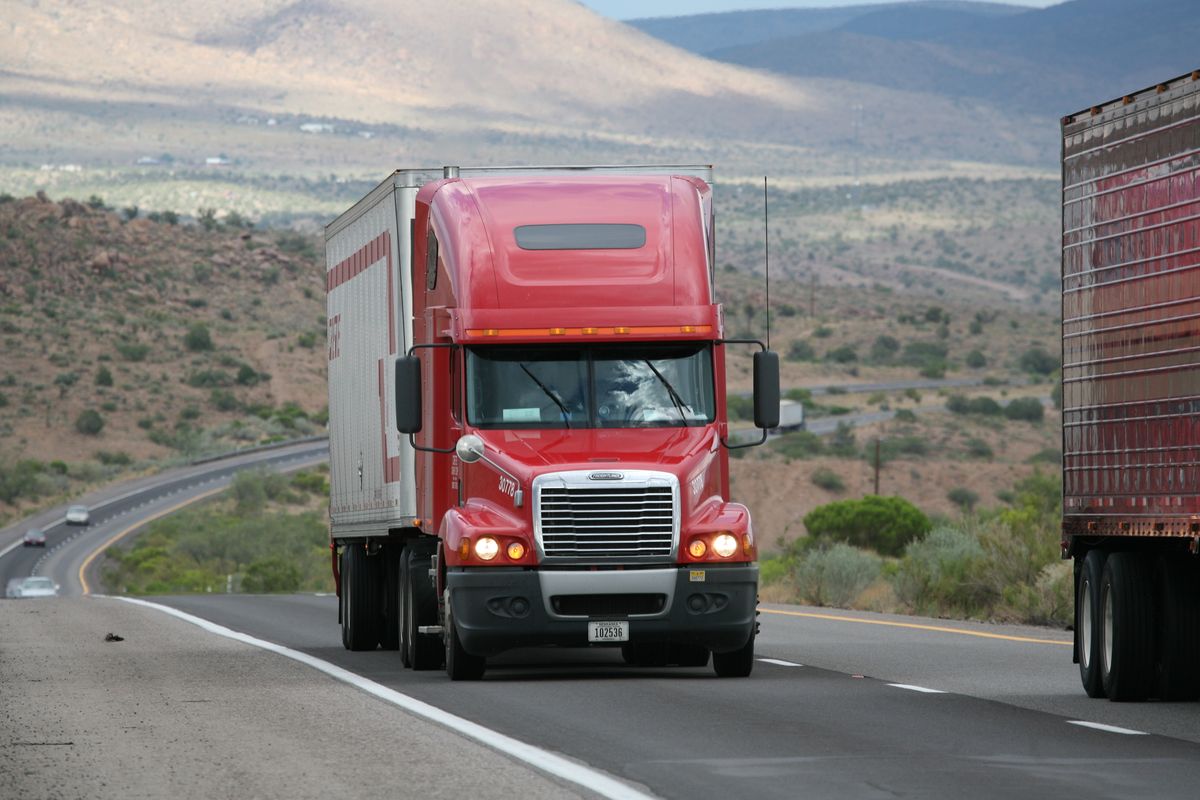
- Transit time on this lane is dominated by clearance and handoff, not by driving distance.
- A crossing where the pedimento is filed in advance moves in a different time class from one where filing starts at the border.
- Most delays trace to three causes: incomplete documents, classification questions, and no assigned Mexican carrier waiting.
- Paying for expedited transport on an unprepared shipment buys speed on the part of the journey that was never the problem.
- Transit times vary by customs office, day of week and whether your entry is selected for inspection. Measure your own lane rather than trusting a quoted average.
Why the truck is almost never the bottleneck
The driving portion is predictable. The border portion is not, and that is where variance lives.
A shipper who wants speed usually starts by asking for a faster service level. That is the wrong lever on this lane. The distance from a Texas warehouse to the border is a known quantity. What is not known in advance is how long the shipment sits at the crossing, and that depends almost entirely on decisions made days earlier, whether the commercial invoice matched the goods, whether the classification was settled, whether the importer of record was in place. So the honest answer to *how do I make this faster* is: remove the variance, don't add horsepower. A shipment that crosses without a question asked beats an expedited shipment that generates one.
The three structures, ranked by speed
Through-trailer is fastest when volume justifies it, transload is the flexible middle, and consolidation is slowest but cheapest per unit.
Through-trailer. The same trailer crosses and continues. Nothing is touched at the border. Fewest handling steps, fewest opportunities for a discrepancy, and the fastest structure when you have enough volume to fill it. Transload. Goods move from a US trailer to a Mexican one at the border. It adds a handling step but lets you use domestic carriers on both sides and avoids paying for empty space. Consolidation. Your goods share space with other shippers. Cheapest per unit and the slowest, because the schedule belongs to the consolidation, not to you. The mistake is choosing by price and then being surprised by transit time. These are the same decision.

Where the hours actually get lost
Documents that do not match, classifications that are still open, and no carrier assigned on the Mexican side.
Document mismatch. The commercial invoice describes something slightly different from what is in the trailer, a different quantity, a missing model number, a value that does not reconcile. This is the single most common cause of a hold, and it is entirely preventable. An open classification. If the tariff position is genuinely ambiguous and nobody settled it before the shipment moved, it gets settled at the border, on customs' schedule rather than yours. No Mexican carrier waiting. Clearing the goods and then arranging onward transport is how a two-hour crossing becomes an overnight one. The onward leg should be booked before the truck leaves Texas. Under the 2026 customs reform, importer and broker are jointly responsible for the accuracy of the declaration. So document quality is now a compliance question, not only a speed question.
What genuinely does buy speed
Filing before arrival, a settled classification, a single accountable party across the crossing, and a warehouse on each side.
File before the truck moves. Everything that can be validated in advance should be. Settle classification once, in writing. A documented tariff position removes the most expensive question at the border. Where it is genuinely ambiguous, record the reasoning rather than leaving it open. Have one party accountable across the crossing. Every handoff between companies is a point where information degrades. A shipment that changes hands three times generates three opportunities for a discrepancy. Use warehouses on both sides. Staging inventory close to the border on the US side and holding fulfillment stock on the Mexican side converts an international shipment into two short domestic movements, which is the real speed advantage, because domestic delivery is not subject to clearance at all.
How to measure your own lane
Track four timestamps, not one total. The gaps between them show where to spend.
A single door-to-door number hides everything useful. Record four points instead: departure from origin, arrival at the border, clearance completion, and delivery. The gap between arrival and clearance is your documentation quality. The gap between clearance and delivery is your onward transport arrangement. Whichever is larger is where your money should go. Run this for ten shipments before drawing conclusions. Border throughput varies by day of week, by customs office and by whether your entry is selected for inspection, a single fast crossing is not a benchmark, and neither is a single slow one.
Three crossing structures compared
| Structure | Relative speed | Best when |
| Through-trailer | Fastest, no handling at the border | You have enough volume to fill a trailer |
| Transload | Middle, one handling step | You want domestic carriers on both sides |
| Consolidation | Slowest, schedule belongs to the group | Volume is low and cost matters more than days |
How we run this lane
We hold warehouses on both sides of the crossing, Laredo in Texas and Monterrey in Mexico, and we prepare the entry file from the same team that received and staged the goods.
That structure exists specifically to remove the handoffs described above. Your shipment does not change companies at the bridge, so the information that goes into the declaration comes from the same team that received and staged the goods.
For sellers with recurring volume, holding stock in Monterrey turns the crossing into a scheduled restock rather than a per-order event. Your customer then receives a domestic delivery, which is both faster and cheaper than any expedited international option.
Definitions
- Through-trailer: A crossing where the same trailer continues into Mexico without the goods being handled at the border.
- Transload: Moving goods from a US trailer to a Mexican one at the border, allowing domestic carriers on both sides.
- Pedimento: The official Mexican customs declaration that must be filed for a commercial import.
Frequently asked questions
Does paying for expedited freight make a Mexico shipment faster?
Only on the driving portion, which is rarely the bottleneck. If the shipment is held at the border for a document or classification question, expedited transport has already been spent on the part that was working.
How long does a border crossing take?
It varies by customs office, day of week, documentation quality and whether your entry is selected for inspection. Measure your own lane across at least ten shipments rather than relying on a quoted average.
Is through-trailer always the fastest option?
It has the fewest handling steps, which usually makes it fastest. But it only makes sense when you have enough volume to justify a full trailer.
What single change makes the biggest difference?
Filing the customs entry before the truck reaches the border, with a classification that was settled in advance.
Do I need a Mexican company to import?
The importer of record must be a Mexican tax-registered party. You can either establish that yourself or use a structure where another party acts as importer of record.
Does holding stock in Mexico help?
Yes, materially. It converts an international shipment per order into a scheduled restock, and the customer delivery becomes domestic, no clearance step at all.
Related Reading
- through-trailer, transload and cross-dock compared
- how Mexican customs clearance works
- the documents you need to ship freight to Mexico
- how long border clearance actually takes
- how US to Mexico logistics works end to end
- our cross-border shipping service
Plan your Texas to Mexico lane with a licensed customs broker
Sources
- ANAM, Agencia Nacional de Aduanas de México (anam.gob.mx)
- U.S. Customs and Border Protection (cbp.gov)
Note: This content is for general information only and is not legal, tax or customs advice. Rates and rules can change often in 2026; verify the current details with an official source (SAT, DOF, CBP) or a licensed customs broker before acting.
How this was made: The BringGo Ship team chose the topic and the sources. The text was drafted with AI assistance, its figures and regulatory details were checked against official sources (DOF, SAT, ANAM, CBP), and the article was reviewed by our team before publication.
Daniel Brooks
Logistics and Customs Lead
Covers US Mexico cross-border logistics and customs at BringGo Ship, with warehouses in Laredo and Monterrey.
View profile