

Contents
- How does northbound freight actually work?
- The origin question, which is where the money is
- What to prepare before your first northbound shipment
- Northbound freight: what changes going the other way
- Definitions
- Frequently asked questions
- What do I need to ship from Mexico to the US?
- Do goods shipped from Mexico enter the US duty free?
- Does importing goods into Mexico make them Mexican origin?
- Who can complete the USMCA certification of origin?
- Do I need US inventory to sell to American consumers?
- Related Reading
- Sources
Shipping from Mexico to the United States requires a US importer of record, a customs entry filed on the US side, and correct origin documentation. Goods that qualify as Mexican origin under USMCA enter duty free with a valid certification. Goods merely shipped from Mexico do not acquire Mexican origin, which is the most expensive misunderstanding in this direction.
- A US importer of record is required for a commercial import into the United States (CBP).
- Goods qualifying as originating under USMCA enter duty free with a valid certification of origin (USTR, CBP).
- Shipping from Mexico does not by itself make goods Mexican origin; origin follows where they were produced.
- Under USMCA the importer, exporter or producer may complete the certification (USMCA Art. 5.2).
- Trucking carries roughly 73 to 74 percent of US Mexico trade, and Laredo is the busiest land port (WorldCity, Census).
How does northbound freight actually work?
Goods move to the border, a drayage carrier crosses them, and a customs entry is filed on the US side by or on behalf of a US importer of record. The mechanics mirror southbound freight, but the responsible parties and the origin question are different.
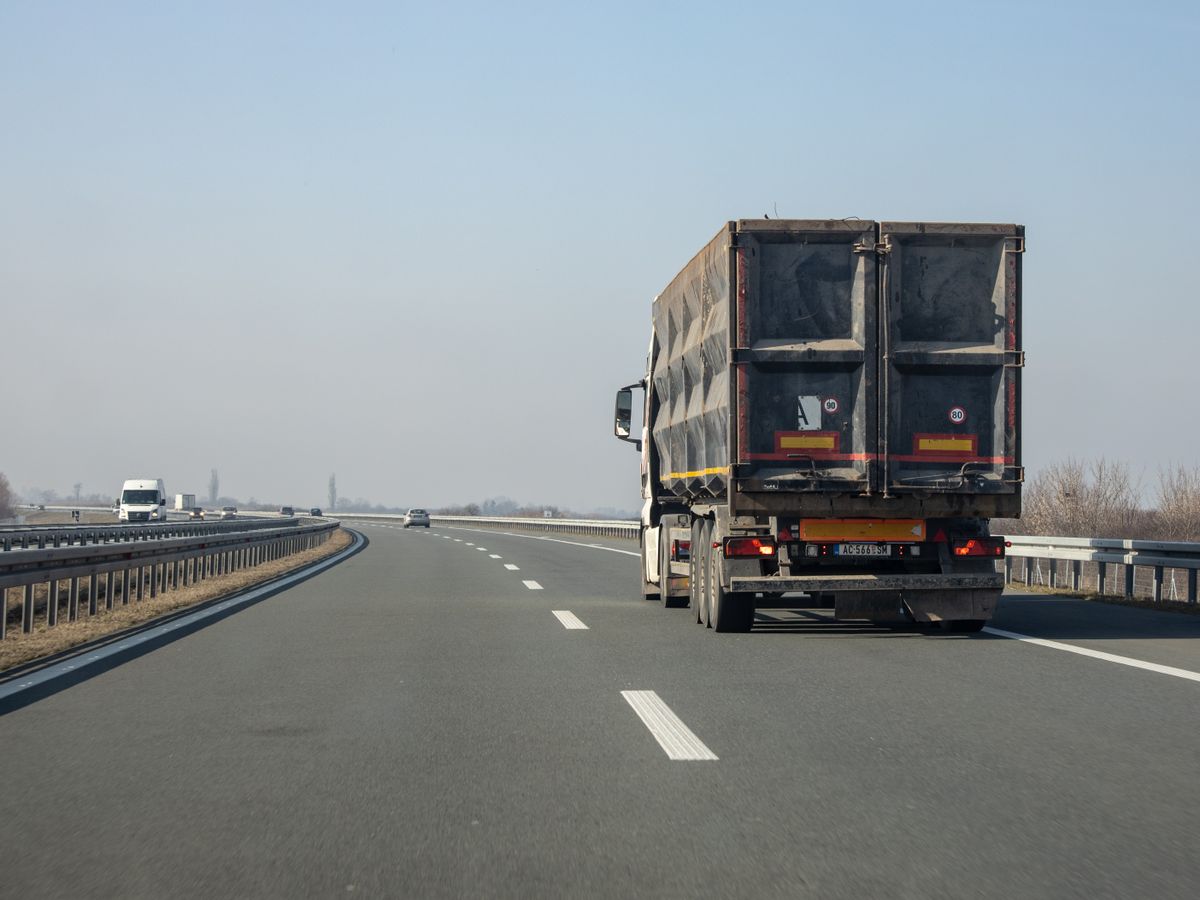
Almost everything written about this corridor covers goods moving into Mexico, which leaves the other direction under explained even though the volume is enormous. The physical mechanics will look familiar. Freight moves from its origin in Mexico to a border city, a drayage carrier takes it across the bridge, and a US carrier picks it up on the northern side for the onward leg. Laredo is the busiest land port in North America and handles a large share of this traffic in both directions, and trucking carries roughly three quarters of trade between the two countries. What differs is the legal layer. Going north, the entry is filed with US customs, and it requires a US importer of record: a party with a US presence and a customs bond who takes responsibility for the declaration. A Mexican exporter cannot simply be the importer of their own goods in the United States without arranging that. This catches out Mexican companies selling directly to US consumers, because someone has to have imported the goods before a consumer order can ship domestically. The practical options mirror the southbound ones: your US buyer acts as importer, a partner acts as importer of record on your behalf, or you establish a US presence. Which one you pick changes cost, control and how fast you can serve US customers.

The origin question, which is where the money is
USMCA origin is about where goods were produced, not where they were shipped from. Genuinely Mexican origin goods enter duty free with certification. Goods imported into Mexico from elsewhere and re-exported do not become Mexican, and treating them as if they did is expensive.
This is the part that decides the economics, and it is misunderstood often enough to be worth stating bluntly. Under USMCA, goods that qualify as originating enter the United States duty free, and Mexican manufacturing is exactly what the agreement was designed to support. But qualifying is about production, not shipment. If a product was made in Mexico and meets the rule of origin for its category, it qualifies, and with a valid certification of origin it enters duty free. If a product was manufactured elsewhere, imported into Mexico, and then shipped north, it does not become Mexican origin by having passed through. It retains its original origin and is treated accordingly on entry into the United States. Companies that buy imported goods in Mexico and resell them northward sometimes assume the Mexican leg confers origin; it does not, and discovering that at the border is expensive. The second half of this is documentation. Even genuinely qualifying goods pay the general rate if no certification of origin exists. USMCA does not prescribe a form; the certification needs nine specific data elements and can sit on a commercial invoice or any other document, and the importer, exporter or producer may complete it. It can also be issued for a blanket period of up to twelve months covering repeated shipments of identical goods, which removes the per shipment paperwork burden for regular flows.
What to prepare before your first northbound shipment
Settle who the US importer of record will be, confirm whether your goods qualify for USMCA origin and prepare the certification, decide where US inventory will sit, and set up a US return address if you sell to consumers.
Four preparations cover most of the risk. First, the importer of record. Decide before goods move whether your US buyer imports, whether a partner imports on your behalf, or whether you set up a US entity. This determines who holds the customs bond and who is liable for the declaration, and it cannot be improvised at the bridge. Second, origin. Establish honestly whether your goods qualify as originating under USMCA, based on where and how they were produced rather than where they ship from. If they qualify, prepare the certification with its nine data elements before shipping, and consider a blanket certification if you ship the same goods repeatedly. If they do not qualify, price the duty into your quote from the start. Third, where inventory sits. If you sell to US consumers, holding stock in the United States is what turns your delivery times from international to domestic, which is usually the deciding factor when a buyer compares you to a local seller. A border warehouse works well for this because replenishment from Mexico is short. Fourth, returns. US buyers expect a US return address; without one, every return is an international shipment costing more than the product. Prepare these four and northbound freight is routine. Skip any of them and the goods stop while you solve something that was cheap to solve earlier. BringGo Ship operates warehouses in Laredo and Monterrey, which covers both the crossing and the inventory question in one chain.
Northbound freight: what changes going the other way
| Element | Southbound (US to Mexico) | Northbound (Mexico to US) |
| Who imports | Mexican importer of record | US importer of record with a bond |
| Who files | Licensed Mexican customs broker | Entry filed on the US side |
| Duty free route | USMCA origin, US goods | USMCA origin, Mexican goods |
| Origin trap | Certification missing | Transit does not confer origin |
| Certification | Nine data elements, any format | Same, blanket up to 12 months |
| Consumer sales | Stock inside Mexico | Stock inside the US |
Definitions
- Importer of record: The importer of record is the party responsible for the customs declaration and liable for what was declared.
- Rule of origin: A rule of origin determines whether goods qualify as originating based on where and how they were produced, not where they shipped from.
- Blanket certification: A blanket certification of origin covers repeated shipments of identical goods for a period of up to twelve months.
Frequently asked questions
What do I need to ship from Mexico to the US?
A US importer of record with a customs bond, a customs entry filed on the US side, and correct origin documentation. The physical mechanics mirror southbound freight, but the responsible party is different and a Mexican exporter cannot simply be the importer of their own goods without arranging a US presence or a partner.
Do goods shipped from Mexico enter the US duty free?
Only if they qualify as originating under USMCA and travel with a valid certification of origin. Qualifying is about where and how the goods were produced, not where they shipped from. Genuinely Mexican manufactured goods that meet the rule of origin enter duty free with the right documentation.
Does importing goods into Mexico make them Mexican origin?
No, and this is the most expensive misunderstanding in this direction. Goods manufactured elsewhere, imported into Mexico and then shipped north retain their original origin. Passing through does not confer Mexican origin, and companies that assume otherwise discover it at the border.
Who can complete the USMCA certification of origin?
The importer, the exporter or the producer. There is no official form; the certification needs nine specific data elements and can sit on a commercial invoice or any other document. For repeated shipments of identical goods it can be issued for a blanket period of up to twelve months.
Do I need US inventory to sell to American consumers?
In practice yes, if you want to compete. Holding stock in the United States turns your delivery times from international to domestic, which is usually the deciding factor when a buyer compares you to a local seller. You also need a US return address, because without one each return costs more than the product.
Related Reading
- completing a USMCA certificate of origin
- US return address for Mexican sellers
- choosing a cross-border 3PL
Move north with one operator: BringGo Ship
Sources
- US Customs and Border Protection (cbp.gov)
- USTR, USMCA (ustr.gov)
- WorldCity, Laredo trade data (ustradenumbers.com)
Note: This content is for general information only and is not legal, tax or customs advice. Rates and rules can change often in 2026; verify the current details with an official source (SAT, DOF, CBP) or a licensed customs broker before acting.
How this was made: The BringGo Ship team chose the topic and the sources. The text was drafted with AI assistance, its figures and regulatory details were checked against official sources (DOF, SAT, ANAM, CBP), and the article was reviewed by our team before publication.
Daniel Brooks
Logistics and Customs Lead
Covers US Mexico cross-border logistics and customs at BringGo Ship, with warehouses in Laredo and Monterrey.
View profile