

Contents
- Should I use Amazon NARF or ship inventory to Amazon Mexico FBA?
- How do NARF and FBA Mexico compare on cost?
- How do they compare on delivery speed and taxes?
- How do RFC and setup compare?
- Which should you choose, and when?
- Amazon NARF vs FBA Mexico: side by side (2026)
- Definitions
- Frequently asked questions
- Should I use NARF or FBA Mexico?
- Which is cheaper, NARF or FBA Mexico?
- How fast is delivery with each?
- Do I need an RFC for NARF or FBA Mexico?
- When should I move from NARF to FBA Mexico?
- Related Reading
- Sources
Choose Amazon NARF to sell to Mexico from US inventory with no local import: Amazon ships each order across the border and the customer pays import fees, but delivery is about 5 to 9 days and the per unit fee is higher. Choose FBA Mexico to import inventory in bulk and stock locally for fast Prime delivery and lower per unit fees, once demand is proven and you have an RFC. NARF tests demand; FBA Mexico serves it.
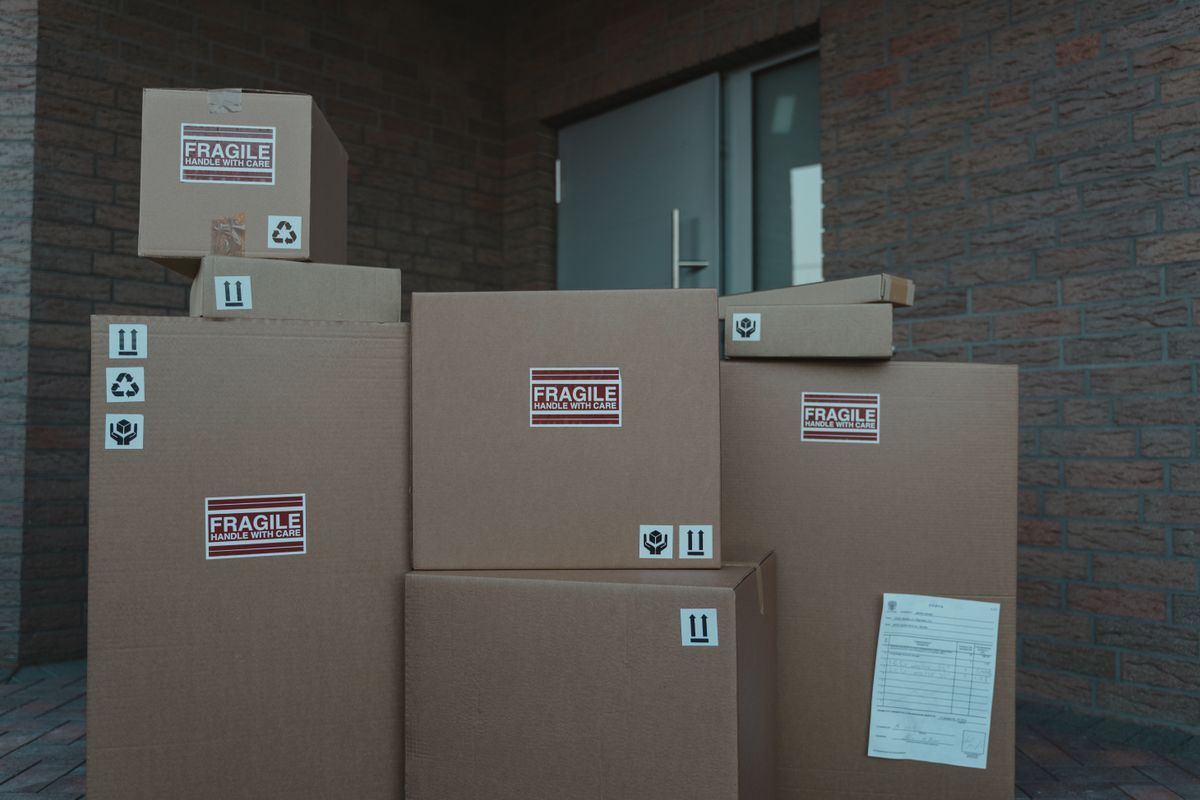
- NARF sells your US FBA inventory on amazon.com.mx and ships each order from the US, with the customer as importer of record.
- With NARF, Prime delivery to Mexico is typically 5 to 9 days and a cross-border NARF fee replaces the standard FBA fee.
- FBA Mexico stocks inventory locally for fast Prime delivery and lower per unit fees, but requires a bulk import with an RFC and a broker.
- Under FBA Mexico, US origin goods enter at 0 percent duty under the USMCA plus 16 percent IVA on the bulk import.
- NARF needs no RFC because the customer imports; FBA Mexico needs an RFC or an importer of record partner.
Should I use Amazon NARF or ship inventory to Amazon Mexico FBA?
Use NARF to test demand with no local inventory or import, and FBA Mexico to serve proven demand with fast local delivery. The decision turns on volume: NARF suits low or uncertain demand, FBA Mexico suits steady sellers.
The choice between NARF and FBA Mexico comes down to how proven your demand is and how much you want to commit. NARF, North America Remote Fulfillment, lets you list your US FBA inventory on amazon.com.mx and have Amazon ship each Mexican order across the border, with the customer acting as importer of record. It asks almost nothing of you, so it is ideal for testing whether a product sells in Mexico. FBA Mexico is the local model: you import inventory into Mexico in bulk and store it in Amazon's Mexican fulfillment centers, so orders ship domestically. It asks more upfront, an import with an RFC and a broker, but it rewards you with fast delivery and lower fees. The honest one line answer is that NARF is how you discover demand and FBA Mexico is how you serve it. Most successful sellers run NARF first, watch which products sell steadily, and migrate those to FBA Mexico while leaving slow or long tail items on NARF. You do not have to pick one model for the whole catalog; you match the model to each product.
How do NARF and FBA Mexico compare on cost?
NARF charges a higher cross-border fee per unit but has no import cost or inventory risk. FBA Mexico has an upfront bulk import cost but lower per unit fees, so it becomes cheaper per order as volume rises.
On cost, the two models trade an upfront commitment against a per unit fee. NARF has no import cost and no inventory risk, because you never send stock to Mexico; instead, a cross-border NARF fee replaces the standard FBA fee, and that fee is higher because it covers moving each order across the border. The customer also pays estimated duties and taxes at checkout, which affects how competitive your price looks but is not a cost you carry. FBA Mexico works the other way: you pay the fiscal cost of one bulk import, the broker, duty and 16 percent IVA on the batch, plus storage, but then each order carries a lower local FBA fee. The result is that NARF is cheaper to start and carries no inventory risk, while FBA Mexico is cheaper per order once volume is steady enough to spread the import cost. The break even depends on your volume and margins, so the practical step is to model both for a specific product: NARF per order versus the bulk import plus local fees of FBA Mexico.
How do they compare on delivery speed and taxes?
NARF delivers in about 5 to 9 days and has the customer pay import taxes at checkout. FBA Mexico delivers on fast local Prime and has you pay duty and 16 percent IVA once on the bulk import, with US origin goods at 0 percent duty.
Delivery speed and tax handling are where the models feel most different to you and the customer. On speed, NARF ships each order from the US across the border, so Prime delivery to Mexico typically takes 5 to 9 days; FBA Mexico ships from local stock, so delivery is fast local Prime, much closer to what Mexican shoppers expect. That gap matters in categories where delivery speed drives conversion. On taxes, NARF puts the import on the customer: Amazon estimates duties and taxes and the buyer pays them at checkout as the importer of record, so your job is pricing around that added fee. FBA Mexico puts the import on you: you clear a bulk shipment, so the normal rules apply, with US origin goods entering at 0 percent duty under the USMCA plus 16 percent IVA, which is a strong reason to source or consolidate in the US. In short, NARF keeps taxes and speed as the customer's experience of a cross-border purchase, while FBA Mexico makes both look domestic at the cost of you handling the import.
How do RFC and setup compare?
NARF needs no RFC because the customer imports each order, so setup is minimal. FBA Mexico requires an RFC or an importer of record partner, a customs broker, and moving bulk inventory across the border.
Setup effort is the clearest practical difference. NARF needs almost no local setup: no inventory in Mexico, no import, and no RFC of your own, because the customer is the importer of record on each order. You enable it on your US FBA inventory, adapt your listings, and you can be selling into Mexico quickly. FBA Mexico requires real setup, because you are importing bulk inventory into the country. That means a licensed customs broker to file the pedimento, an importer identity, either your own RFC and registration or a partner acting as importer of record, and the logistics to move bulk stock from the US into Mexico and on to Amazon's fulfillment centers within their receiving rules. The importer's RFC is required on every declaration, so this is not a step to skip. This is exactly the bulk cross-border leg that an operator like BringGo Ship runs from Laredo and Monterrey, moving the stock, coordinating customs clearance with a licensed Mexican customs broker and delivering into the Amazon network. So NARF is the low friction entry, and FBA Mexico is the model you set up properly once a product has earned it.
Which should you choose, and when?
Choose NARF to launch and test with no commitment, and for slow or long tail items. Move a product to FBA Mexico once it sells steadily, because local stock then wins on both delivery speed and per unit cost.
The decision is not permanent, and the best practice is to use both across the life of a product. Choose NARF when you are launching in Mexico, testing whether a product sells, or handling slow and long tail items where holding local stock would not pay; it costs nothing to set up locally and carries no inventory risk, at the price of slower delivery and a higher per unit fee. Choose FBA Mexico once a product sells steadily and predictably, because at that point the per order cross-border fee and 5 to 9 day delivery of NARF are holding back both your margin and your conversion, and importing in bulk to fulfill locally fixes both. The mature pattern is to run NARF first, identify the steady sellers, migrate those to FBA Mexico, and keep testing new products on NARF. Match the model to each product's stage rather than choosing one for the whole catalog. When you are ready to move winners into FBA Mexico, the bulk import and delivery into Amazon's network is the logistics step, and a partner with border warehouses handles it so the switch is smooth.

Amazon NARF vs FBA Mexico: side by side (2026)
| Factor | NARF (ship from US) | FBA Mexico (local stock) |
| Inventory location | US FBA warehouses | Mexican fulfillment centers |
| Who imports | The customer at checkout | You, in bulk |
| Per unit fee | Higher cross-border NARF fee | Lower local FBA fee |
| Delivery speed | About 5 to 9 days | Fast local Prime |
| Taxes | Customer pays at checkout | You pay duty and 16 percent IVA on the import |
| RFC needed | No | Yes, or an importer of record partner |
| Best for | Testing demand, long tail | Proven, steady volume products |
Definitions
- NARF: NARF, North America Remote Fulfillment, lets you sell US FBA inventory on amazon.com.mx and ship each order from the US.
- FBA Mexico: FBA Mexico means importing inventory into Mexico and storing it in local fulfillment centers for domestic delivery.
- Importer of record: The importer of record is the party legally responsible for the import declaration, duty and taxes.
Frequently asked questions
Should I use NARF or FBA Mexico?
Use NARF to test demand with no local inventory or import, and FBA Mexico to serve proven demand with fast local delivery and lower fees. The decision turns on volume: NARF suits low or uncertain demand, FBA Mexico suits steady sellers. Many sellers use both across their catalog.
Which is cheaper, NARF or FBA Mexico?
NARF has no import cost or inventory risk but a higher per unit cross-border fee. FBA Mexico has an upfront bulk import cost but lower per unit fees, so it becomes cheaper per order as volume rises. Model both for a specific product to find your break even.
How fast is delivery with each?
NARF ships each order from the US, so Prime delivery to Mexico is typically 5 to 9 days. FBA Mexico ships from local stock, so delivery is fast local Prime, much closer to what Mexican shoppers expect. Speed often justifies moving steady sellers to FBA Mexico.
Do I need an RFC for NARF or FBA Mexico?
Not for NARF, because the customer is the importer of record on each order. For FBA Mexico you import in bulk, so you need an RFC or an importer of record partner and a customs broker. The importer RFC is required on every declaration.
When should I move from NARF to FBA Mexico?
Move a product once it sells steadily and predictably, because then the per order cross-border fee and 5 to 9 day delivery of NARF hold back your margin and conversion. Importing that product in bulk to fulfill locally fixes both. Keep testing new products on NARF.
Related Reading
- how to sell on Amazon Mexico from the US
- border warehousing and fulfillment
- how much it costs to ship to Mexico
Create a free account and move your Amazon Mexico inventory across the border with BringGo Ship
Sources
- Amazon Seller Central (North America Remote Fulfillment) (sellercentral.amazon.com)
- SAT (Mexico tax and customs authority) (sat.gob.mx)
- US Department of Commerce, Mexico customs guide (trade.gov)
Note: This content is for general information only and is not legal, tax or customs advice. Rates and rules can change often in 2026; verify the current details with an official source (SAT, DOF, CBP) or a licensed customs broker before acting.
How this was made: The BringGo Ship team chose the topic and the sources. The text was drafted with AI assistance, its figures and regulatory details were checked against official sources (DOF, SAT, ANAM, CBP), and the article was reviewed by our team before publication.
James Carter
Warehousing and Fulfillment Operations
Writes on Amazon Mexico and e-commerce fulfillment across the Laredo border.
View profile