

Contents
- Which products are restricted or prohibited when shipping to Mexico?
- What products are completely prohibited?
- Is it true vaping products are banned from 2026?
- What products are restricted and need a permit?
- What are NOMs and how do labeling rules affect you?
- Which authorities regulate imports (SEDENA, SENASICA, COFEPRIS)?
- What happens if you ship a prohibited or restricted product?
- How do you check if your product can enter Mexico?
- Shipping to Mexico: product status and authority (2026)
- Definitions
- Frequently asked questions
- What products cannot be shipped to Mexico?
- Are vaping products banned in Mexico?
- What products need a permit to enter Mexico?
- What is NOM labeling and does my product need it?
- Which authorities enforce imports in Mexico?
- What happens if I ship a restricted product without a permit?
- How do I check if my product can enter Mexico?
- Can BringGo Ship help me check restrictions?
- Related Reading
- Sources
Some products cannot be shipped to Mexico at all, including narcotics, commercial used clothing, live predatory fish and, since January 2026, vaping and e-cigarettes. Others are restricted and enter only with a prior permit: weapons through SEDENA, animal and plant products through SENASICA, and food, medicines and cosmetics through COFEPRIS. Many products also need NOM labeling in Spanish. Customs is enforced by ANAM and the SAT.
- Commercial used clothing and footwear are prohibited from import to Mexico (SAT, ANAM).
- Since 16 January 2026, the reform to the General Health Law (Ley General de Salud), which implements the January 2025 constitutional reform, bans the import, sale and distribution of vaping and e-cigarettes nationwide (DOF, COFEPRIS).
- Restricted products need a prior permit: SEDENA for weapons, SENASICA for animal and plant goods, COFEPRIS for food, medicines and cosmetics.
- Most retail products need NOM compliance, including Spanish labeling; food and drink fall under the NOM-051 front of pack labeling rules.
- Customs is enforced at the border by ANAM (National Customs Agency) and the SAT.
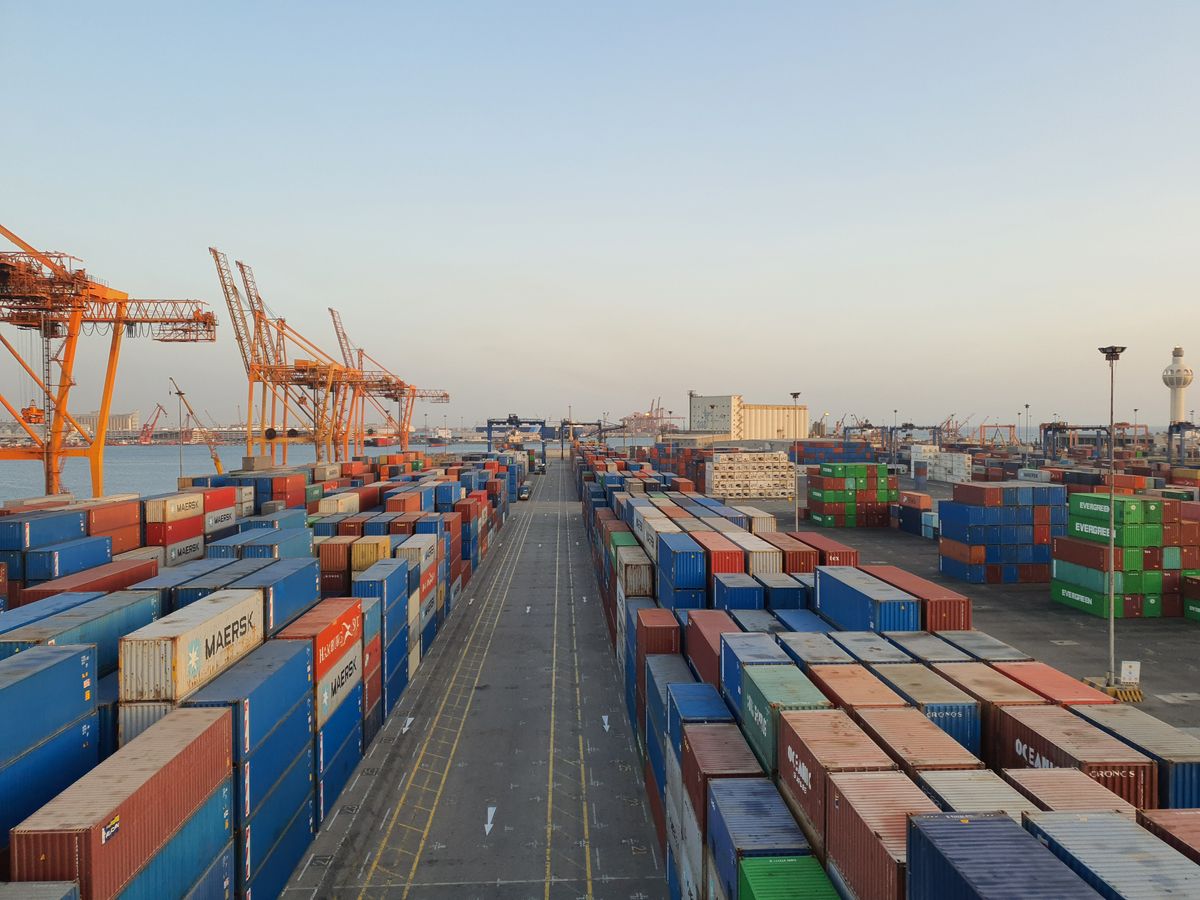
Which products are restricted or prohibited when shipping to Mexico?
There are three groups: prohibited goods that cannot enter at all, restricted goods that enter only with a prior permit, and free goods that clear with standard documents. Most retail goods also need NOM labeling in Spanish.
Before planning a shipment to Mexico, it helps to place your product in one of three groups, because that decides whether and how it can enter. The first is prohibited goods: they cannot be imported in any form, regardless of permit or regime, and include narcotics, commercial used clothing, live predatory fish and, since 2026, vaping products. The second is restricted or regulated goods: they can enter, but only with a prior permit, certificate or authorization from the relevant authority, such as SEDENA for weapons or SENASICA for agricultural goods. The third is free goods, which clear with the invoice, the pedimento and standard documentation. On top of that sits a compliance layer that catches many sellers by surprise: most retail products must meet Mexican Official Standards, the NOMs, including labeling in Spanish. The costliest mistake is assuming your product is free without checking, because a restricted item without its permit is stopped at customs just like a prohibited one. This is why tariff classification and a review of non tariff regulations happen before you ship, not at the border.
What products are completely prohibited?
Prohibited goods include narcotics, commercial used clothing and footwear, live predatory fish, cannabis based preparations, certain protected species products and, since 2026, vaping and e-cigarettes.
The list of what is completely prohibited is specific and worth knowing, because it allows no exception by permit. It includes narcotics and substances of prohibited trade; used clothing and footwear when imported commercially rather than as personal luggage; live predatory fish of any size; cannabis based preparations; certain turtle derivatives and protected species; declared archaeological monuments; and hazardous substances such as thallium sulfate. Added to this group in 2026 are vaping products and e-cigarettes, whose import was banned by the reform to the General Health Law (Ley General de Salud), which implements the January 2025 constitutional reform. For a seller, the practical conclusion is simple: if your product falls in this category, no logistics setup or customs broker can make it enter, and the attempt only leads to seizure and penalty. Before you invest in inventory for the Mexican market, the first check is always that the product is not prohibited, because it is the one barrier that no arrangement can solve. Everything else in compliance is manageable; a prohibition is not.
Is it true vaping products are banned from 2026?
Yes. Since 16 January 2026, the reform to the General Health Law (Ley General de Salud), which implements the January 2025 constitutional reform, bans the production, import, distribution, sale and promotion of vaping products and e-cigarettes across Mexico, with or without nicotine, including accessories and substances.
This is one of the most important changes of 2026 and it surprises many foreign sellers. From 16 January 2026, a constitutional reform and changes to health legislation prohibit, across the entire country, the manufacture, import, distribution, marketing, promotion and sale of vaping products, e-cigarettes and similar devices. The ban covers disposables, refillables, single use and nicotine free versions, as well as their accessories, parts and the substances they use. In practical terms, there is no longer a legal way to import these products to Mexico, not even with a permit, because they moved from being regulated to being prohibited at the constitutional level. If your catalog includes vaping, the Mexican market is closed for that line, and it is worth checking that no related accessory travels by mistake inside a mixed shipment, because that alone would be enough to stop the whole load at customs. This is a case where staying current on the rules is not optional, since the change is recent and strict.
What products are restricted and need a permit?
Restricted goods include weapons and ammunition (SEDENA), animal and plant products (SENASICA), and food, medicines, supplements and cosmetics (COFEPRIS). They can enter, but only with the corresponding permit or certificate obtained before shipment.
The group of restricted goods is the widest and the one that needs the most planning, because it includes perfectly legal products that simply need a prior permit to enter. Weapons, ammunition and explosives require authorization from SEDENA. Animal and plant products, such as food, plants, seeds or agricultural goods, need SENASICA certification for health reasons. Processed food, medicines, supplements, cosmetics and medical devices fall under COFEPRIS, the health authority. Certain chemicals and precursors are also regulated. The key point is that these products can be imported, but the permit must be arranged before shipment, not once the load is already at the border, because without the document the goods are held. For a serious seller, identifying early which non tariff regulation applies to a product is as important as calculating the duty, and it is often what sets the launch timeline. A customs broker maps this for you from the tariff classification, telling you which permits apply and where to obtain them.

What are NOMs and how do labeling rules affect you?
NOMs are Mexican Official Standards that many products must meet to be sold, including compulsory Spanish labeling. General labeling follows NOM-050, and food and drink follow NOM-051, whose front of pack warning seals are being tightened in phases.
NOMs, the Normas Oficiales Mexicanas, are a compliance layer separate from duty and permits, and they catch many sellers off guard. Most products for retail sale in Mexico must comply with the relevant NOMs, and a common thread is that labeling must be in Spanish; another language may be added but cannot replace or dominate the required wording. General commercial labeling and country of origin marking follow NOM-050, while food and non alcoholic beverages follow NOM-051, which includes the front of pack warning seals for sugar, fat, sodium and calories. Those NOM-051 rules are being tightened in phases, with the current phase running through the end of 2027 and a stricter phase set to begin in 2028, so food sellers should track the schedule. Importantly, NOM compliance and labeling generally must be carried out by a Mexican entity with an RFC that assumes responsibility, which is another reason to work with a partner that has an in country presence. Getting NOM labeling right before shipment avoids goods being held or rejected at retail.
Which authorities regulate imports (SEDENA, SENASICA, COFEPRIS)?
At the border, ANAM and the SAT control customs. Sector permits are issued by SEDENA for weapons, SENASICA for animal and plant goods, and COFEPRIS for health products, among other agencies depending on the product.
Understanding who regulates what saves time knocking on the wrong door. At the border, customs control is exercised by ANAM, the National Customs Agency of Mexico, and the SAT, which verify the pedimento and decide whether goods are released. But the permit you may need beforehand is issued by the sector authority: SEDENA for weapons and ammunition; SENASICA, within SADER, for animal and plant products; COFEPRIS for processed food, medicines, supplements, cosmetics and medical devices; and other agencies for specific cases. The customs broker knows this map and tells you, from your product classification, which non tariff regulations apply and where to obtain them. Working with an operator that raises this up front, such as BringGo Ship, helps here, because permit questions come up at the start of the process rather than when the load is already held waiting for a document that can take weeks. The practical lesson is that compliance is a planning task, done before you buy inventory, not a border task.
What happens if you ship a prohibited or restricted product?
A prohibited good is seized and penalized. A restricted good without its permit is held at customs until you present the document, causing delays, storage costs and sometimes the loss of the goods.
The consequences depend on the group, and none are minor. If you try to import a prohibited good, customs seizes it and can apply penalties, on top of exposing you to legal liability; there is no way to recover it or correct the process, because the product simply cannot enter. If you try to import a restricted good without its permit, the outcome is different but also costly: the load is held at customs and is not released until you present the certificate or authorization that was missing. Meanwhile storage days accrue, costs build, and if the permit is delayed or never arrives, you can lose the goods or have to return them. Under the 2026 reform, the broker answers alongside the importer for what is declared. This is why prior verification is not bureaucracy: it is what separates a shipment that flows from one that sits at customs for weeks generating cost. The fix is always upstream, at the planning stage.
How do you check if your product can enter Mexico?
Start from your product's tariff classification and review with your customs broker which non tariff regulations, permits and NOMs apply. Do this before buying inventory, because it can change whether a product is viable.
The correct way to check is orderly and starts well before the border. The starting point is your product's tariff classification, the HS code, because each classification carries the regulations and restrictions that apply. With that code, your customs broker reviews whether the product is free, restricted or prohibited, and what permits, certificates or NOM labeling you would need and from which authority. This consultation is ideally done before buying inventory, because it can completely change a product's viability in Mexico; an item that looks profitable stops being so if it needs a permit that takes months, requires costly NOM labeling, or turns out to be prohibited. For sensitive lines, such as food, cosmetics or electronics, this verification is essential. An operator with real corridor experience can give you a first reading at the start, so you build your Mexican catalog around products that can actually enter, with the permits and labeling identified and the timeline matched to the real duration of each process.
Shipping to Mexico: product status and authority (2026)
| Example product | Status | Authority or requirement |
| Vaping and e-cigarettes | Prohibited since 2026 | Constitutional ban (DOF) |
| Commercial used clothing | Prohibited | SAT, ANAM |
| Narcotics, live predatory fish | Prohibited | ANAM |
| Weapons and ammunition | Restricted | SEDENA permit |
| Food and agricultural products | Restricted plus NOM-051 label | SENASICA, COFEPRIS |
| Most retail goods | Free but need NOM label | NOM-050, Spanish labeling |
The Spanish-language requirement is not a NOM detail, it sits in the consumer protection law itself and covers imported goods explicitly:
“Los datos que ostenten los productos o sus etiquetas, envases y empaques y la publicidad respectiva, tanto de manufactura nacional como de procedencia extranjera, se expresarán en idioma español y su precio en moneda nacional en términos comprensibles y legibles conforme al sistema general de unidades de medida.”
Ley Federal de Protección al Consumidor, Article 34 (Mexico)
Definitions
- Prohibited good: A prohibited good is one that cannot be imported to Mexico in any form, regardless of permit or regime.
- Restricted good: A restricted good can be imported only with a prior permit, certificate or authorization from the sector authority.
- NOM: A NOM is a Mexican Official Standard that products must meet, often including compulsory Spanish labeling, to be sold in Mexico.
- ANAM: ANAM is the National Customs Agency of Mexico, which controls the entry of goods at each crossing.
Frequently asked questions
What products cannot be shipped to Mexico?
Prohibited goods include narcotics, commercial used clothing, live predatory fish, cannabis preparations and, since 2026, vaping and e-cigarettes. Other goods are restricted and enter only with a prior permit from the sector authority, such as SEDENA, SENASICA or COFEPRIS.
Are vaping products banned in Mexico?
Yes. Since 16 January 2026, the reform to the General Health Law (Ley General de Salud), which implements the January 2025 constitutional reform, bans the import, sale, distribution and promotion of vaping products and e-cigarettes across Mexico, with or without nicotine, including their accessories and substances. There is no longer a legal way to import them.
What products need a permit to enter Mexico?
Weapons and ammunition need a SEDENA permit, animal and plant products need SENASICA certification, and food, medicines, supplements and cosmetics fall under COFEPRIS. These goods can enter, but only with the corresponding permit or certificate arranged before shipment.
What is NOM labeling and does my product need it?
NOMs are Mexican Official Standards, and most retail products must comply, including Spanish labeling. General labeling follows NOM-050 and food follows NOM-051 with front of pack seals. Compliance is usually the responsibility of a Mexican entity with an RFC.
Which authorities enforce imports in Mexico?
At the border, ANAM, the National Customs Agency, and the SAT control customs. Sector permits come from other authorities depending on the product: SEDENA, SENASICA, COFEPRIS and specific agencies for regulated cases. The customs broker maps which apply to your product.
What happens if I ship a restricted product without a permit?
The load is held at customs and not released until you present the missing permit or certificate. Meanwhile storage costs and delays accrue, and if the document is delayed or never arrives you can lose the goods or have to return them. A prohibited good is seized outright.
How do I check if my product can enter Mexico?
Start from your product's tariff classification and review with your customs broker whether it is free, restricted or prohibited, and what permits or NOM labeling apply. Do this before buying inventory, because it can change whether the product is viable in Mexico.
Can BringGo Ship help me check restrictions?
Yes. BringGo Ship reviews your catalog with you and flags at the start whether an item looks free, restricted or prohibited and what permits or NOM labeling you would need, so you build your Mexican catalog on products that can actually enter.
Related Reading
- the Mexican customs clearance process
- how cross-border shipping to Mexico works
- how much it costs to ship to Mexico
Create a free account and check your product's restrictions with BringGo Ship
Sources
- ANAM (National Customs Agency of Mexico) (anam.gob.mx)
- COFEPRIS (health regulator) (gob.mx)
- US Department of Commerce, Mexico labeling requirements (trade.gov)
Note: This content is for general information only and is not legal, tax or customs advice. Rates and rules can change often in 2026; verify the current details with an official source (SAT, DOF, CBP) or a licensed customs broker before acting.
How this was made: The BringGo Ship team chose the topic and the sources. The text was drafted with AI assistance, its figures and regulatory details were checked against official sources (DOF, SAT, ANAM, CBP), and the article was reviewed by our team before publication.
James Carter
Warehousing and Fulfillment Operations
Writes on Amazon Mexico and e-commerce fulfillment across the Laredo border.
View profile